*FREE SHIPPING ON ALL ORDERS OVER $200*
Short answer: for most workouts under about an hour in a cool gym, water and normal food are enough. Electrolytes earn their place when a session runs long, the heat and humidity are high, you are a heavy or salty sweater, or you train — or work — outdoors here in Louisiana. Past that point, water alone replaces the fluid you lost but not the sodium, and that gap is where performance, focus, and recovery start to slip.
That is the honest answer we give at the counter at Xtreme Performance Nutrition in Gonzales, and it surprises people in both directions. Some lifters buy electrolyte drinks for a 40-minute arm day they do not need them for. Others spend all day on a roof, a job site, or a ball field in Ascension Parish heat, drink plain water by the gallon, and wonder why they still feel wiped out, headachy, and crampy by evening. Both groups are asking the same question — do I really need electrolytes, or is water enough? — and the answer depends on how much you sweat, for how long, and what you eat around it.
For a lot of regular training, water plus your normal meals cover you completely. A typical salty meal replaces far more sodium than most people realize, and your body is good at holding onto electrolytes between meals.
Water and food are usually enough if:
If that describes you, an electrolyte product is optional, not essential. Spend your money on the basics first — enough protein for the day and consistent training — and keep electrolytes as a tool for the days that actually call for them.
Sweat is not just water. Sweat carries sodium — the main electrolyte you lose in meaningful amounts — along with smaller amounts of potassium and magnesium. Sodium is the mineral that helps your body hold onto fluid, and it supports nerve signals and muscle contraction. When fluid loss gets large and you replace only the water, you dilute what sodium is left. That is when the familiar symptoms show up.
Electrolytes move from optional to genuinely useful when:
This is also why electrolytes matter just as much for people who work outdoors as for people who train. A roofer, landscaper, or plant worker in Ascension Parish can lose more fluid in a shift than most gym members lose in a week of workouts. The question is never really “gym or no gym” — it is “how much did you sweat, and for how long?”
You do not have to guess. The most useful hydration check costs nothing:
If you regularly drop two, three, or more pounds in a session, you are in the range where fluid and sodium replacement matter, not just water. If you barely move the scale after a normal workout, water and your next meal have you covered. Track it for your two or three hardest sessions and you will know exactly which group you are in — no app, no guesswork.
Not every drink with “electrolytes” on the label delivers a useful amount. Many flavored waters and basic sports drinks contain only a sprinkle of sodium — enough to print on the label, not enough to replace a hard, sweaty hour.
When you read a label, look for:
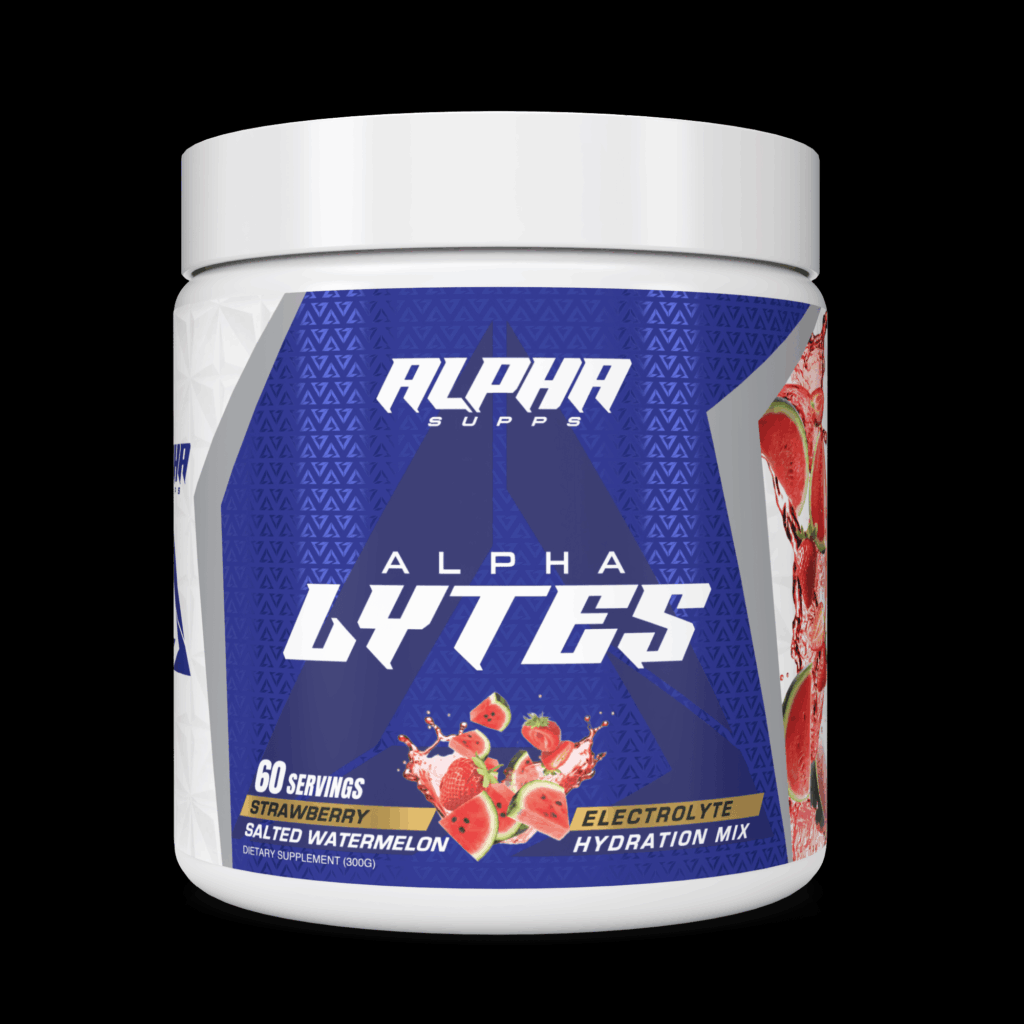
In our store, the product we hand people for exactly this job is AS Alpha Lytes — an electrolyte powder in Watermelon, Tropical Cherry, and Lemon Lime, $39.99 and in stock. Bring your label questions to the counter and we will compare it honestly against whatever you are using now; if water and food honestly cover your training, we will tell you that too.
Before: Start sessions hydrated. Drink normally through the day, and if you know a long, hot session is coming — or you woke up behind on fluids — have an electrolyte drink beforehand rather than trying to catch up mid-workout.
During: For sessions past an hour, sip steadily rather than chugging at the end. Small, regular drinks sit better and replace fluid closer to the rate you are losing it. This pairs with the same timing logic we use for pre-workout: what you take in only helps if it is in you while you are working.
After: Replace what the scale told you that you lost, and eat a real meal. The meal does heavy lifting here — food plus fluids restores both water and electrolytes better than either one alone.
More sodium around hard, sweaty training helps many active people — but it is not for everyone, and this matters. If you have high blood pressure, kidney issues, or a heart condition, or you take medication that affects fluids or blood pressure, talk to your provider before deliberately adding sodium or using electrolyte products regularly. That conversation takes five minutes and it is the right call. Nothing in this post is medical advice — it is education for healthy, active adults deciding how to hydrate around training.
For workouts under about an hour indoors, water and normal meals are enough for most people. Electrolytes become useful as sessions get longer, hotter, and sweatier — roughly past the 60–90 minute mark, outdoors in Louisiana heat, or any time you finish a session pounds lighter with salt streaks on your clothes.
Only past a certain point, honestly. In a short session you do not lose enough fluid or sodium for replacement to change anything you can feel. The longer and sweatier the work gets, the more replacing sodium alongside water supports performance late in the session and recovery after it — that is where the benefit is real.
Powdered electrolyte mixes are the most common choice during training because you control the strength and sip them as you go. On the label, sodium should be a meaningful amount per serving — read the Nutrition Facts panel. If sodium is listed in only trace amounts, it is a flavored drink, not a replacement drink.
Sometimes they help, sometimes they do not. Cramps have more than one cause — fatigue, load, and conditioning all play a part — but if your cramps show up during long, hot, sweaty sessions and you are only drinking water, low sodium is a reasonable first thing to fix. If cramps are frequent or severe, get checked by a provider.
Most people do not need to. Use them on your long, hot, heavy-sweat days — training, outdoor work, tournaments, yard days — and let water and food handle ordinary days. They are a tool for a specific job, not a daily requirement.
Ready to get your hydration dialed in? Shop electrolytes and the rest of your stack at xp-nutrition.com/shop, or visit us at Xtreme Performance Nutrition, 14639 Airline Hwy #103, Gonzales, LA — (225) 677-9876. Your first nutrition consult with Coach L is free: bring your training schedule and your hardest training day, and we will tell you honestly whether electrolytes belong in your routine — and if they do, exactly when to use them.
VISIT US
Xtreme Performance Nutrition
14639 Airline Hwy #103
Gonzales, LA 70737
14639 Airline Hwy #103
Gonzales, LA 70737
© 2023 Xtreme Performance Nutrition All Rights Reserved.
XTREME PERFORMANCE NUTRITION
14639 Airline Hwy #103, Gonzales, LA 70737
(225) 677-9876
Xtreme Performance Nutrition — Gonzales, Louisiana. Real people, real plans, no hype.