
*FREE SHIPPING ON ALL ORDERS OVER $200*
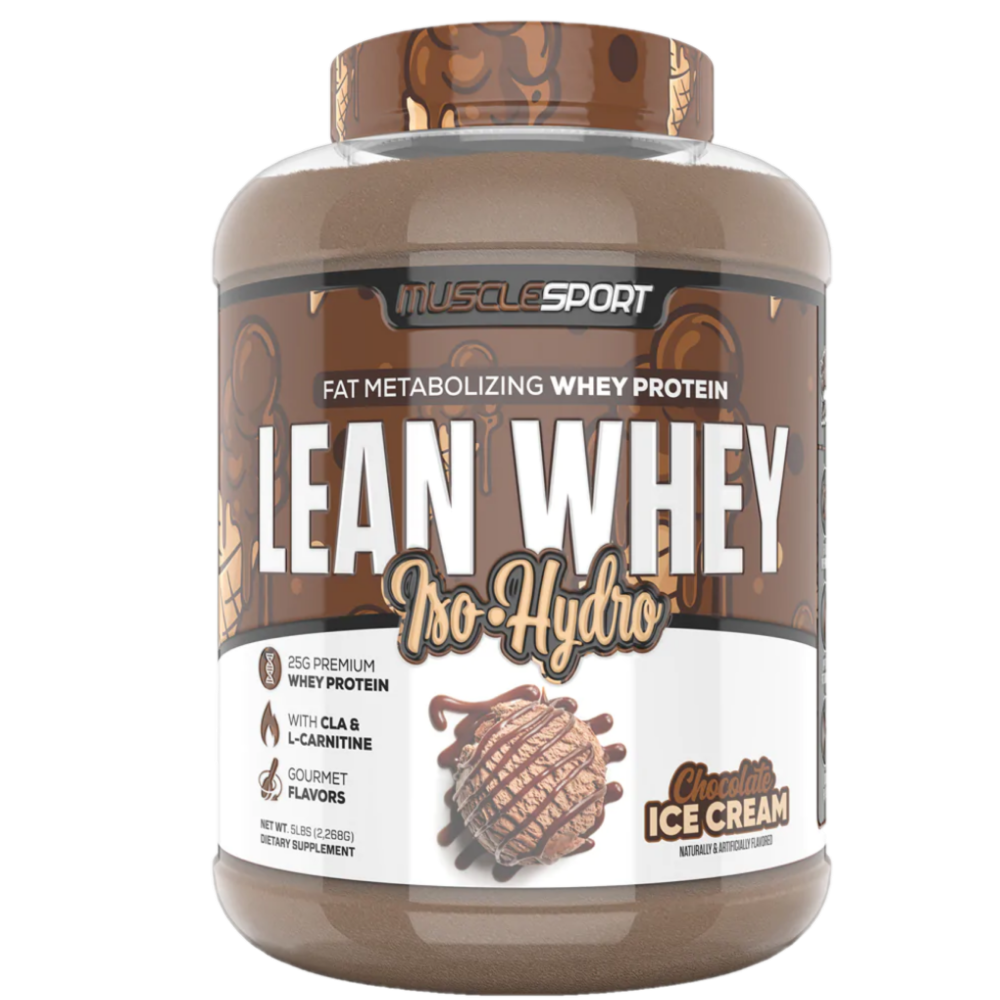
The short answer: Real food is better as the base of your protein — it fills you up, carries other nutrients, and costs you a meal you were going to eat anyway. Protein powder is better at one specific job: closing a gap, fast, when food is not practical. For most people who train in Gonzales, the winning answer is not powder or food. It is food first, with one shake a day used like a tool — not like a replacement for eating.
If you train and want to build or keep muscle, the target most of our customers work from is 0.7 to 1.0 grams of protein per pound of body weight per day. At 180 pounds, that is 126 to 180 grams a day. That number is hard to hit by accident. This post shows where food does the heavy lifting, where powder honestly helps, and how to combine the two on a normal workday in Ascension Parish.
Values below are rounded and will vary a bit by brand, cut, and label. They are the same working numbers we use at the counter at Xtreme Performance Nutrition.
| Option | Protein | What it does well | Watch out for |
|---|---|---|---|
| Protein powder, 1 scoop in water | About 20–25 g (check your label) | Fast, portable, exact — you know the number | Not filling; easy to drink and still feel hungry |
| Grilled chicken breast, about 4 oz cooked | About 35 g | Filling, versatile, works at lunch or dinner | Needs cooking, refrigeration, and planning |
| 3 eggs plus a cup of Greek yogurt | About 33–38 g combined | Strong breakfast anchor; keeps you full | Breakfast is the meal most people skip |
| Cottage cheese, 1 cup | About 25 g | No cooking, good evening option | Not everyone likes the taste or texture |
| Lean beef, pork, fish, or shrimp, about 5 oz cooked | About 35–40 g | Dinner anchor; wide local choice in Louisiana | Portion and cut change the calories a lot |
| A glass of milk, 1 cup | About 8 g | Easy add-on to a meal or shake | Calories count if you are cutting; lactose bothers some people |
Read the table honestly: a normal chicken or beef serving beats a single scoop on protein and on fullness. Powder wins on speed and certainty. Neither one is magic, and your body does not reward you extra for getting protein from a tub instead of a plate.
When you are hungry, not just short on protein. A shake is roughly a drink. If you replace lunch with a shake and you are starving by 3 p.m., you did not save the day — you moved the problem. Food with protein, fiber, and volume is what keeps a cut or a long workday on track.
When the meal was happening anyway. Dinner in Gonzales is going to have a protein on the plate — chicken, beef, pork, catfish, shrimp. Building that plate protein-first is free progress toward your target with no extra product to buy.
When you need more than protein. Real foods bring things a powder does not: iron and B vitamins in beef, omega-3 fats in fish, fiber in the foods you eat alongside them, and the simple habit of sitting down to a real meal. Powder is a single-ingredient solution to a single problem.
At breakfast, when you would otherwise eat almost no protein. Coffee and a biscuit can leave you 30 grams behind before 8 a.m. A shake beside a real breakfast — or a shake on the drive when breakfast truly is not happening — closes the biggest gap most people have.
Right around training, when a meal is not practical. The old 30-minute window panic is overstated. If you ate a normal meal a few hours before you trained, you are covered. But if you trained on an empty stomach, or your next meal is hours away, a shake is a practical bridge — not because the timing is magic, but because the protein was otherwise going to be missed.
At work, in a truck, or on a job site. This is Ascension Parish reality: a shaker bottle travels where a cooked chicken breast does not. Powder plus water takes ninety seconds, needs no microwave, and lands a known 20 to 25 grams. Our guide to how to make a protein shake at home walks through the simple build we recommend.
When your appetite is smaller than your target. Some people — especially in a calorie deficit, or early in the morning — genuinely struggle to eat enough protein as food. Drinking 25 grams is easier than chewing another chicken breast. That is a legitimate use, not a shortcut to be embarrassed about.
Do the math per serving, not per tub. A tub looks expensive because you pay for a month at once; a chicken breast looks cheap because you pay for it a few at a time. The honest way to compare is cost per 25 grams of protein: divide the price by the servings on the label for powder, and compare that with what 25 grams from chicken, eggs, or Greek yogurt costs you at the grocery store that week. Prices move on both sides, so we do not print a winner here — check your label and your receipt. In practice, food is usually competitive on cost, and powder is usually competitive on time. You are mostly paying for convenience, and convenience you actually use is worth something.
One warning on value: a powder with a long proprietary-blend label that does not clearly state protein per scoop is hard to price and hard to trust. Look for a label that states protein per serving plainly, lists its ingredients, and does not hide behind a blend. If a label is confusing, bring it in — we will read it with you at the counter before you spend anything.
Here is how the combination looks on a real day, using the same rounded numbers as our guide to how much protein you need per day:
Notice the ratio: four food feedings, one shake. The shake is not carrying the day. It is patching the one slot — the afternoon — where food was least likely to happen. If your target is lower, drop the shake first. If your day falls apart and you miss a meal, a second shake is a reasonable patch for that day, not a new permanent plan.
Keep it simple. A whey concentrate is the common, lower-cost everyday option and works fine for most people. A whey isolate is more filtered, typically lower in lactose and a little leaner per scoop — worth considering if regular whey bothers your stomach. Plant-based powders are an option if you do not do dairy, with the same label rule: protein per scoop stated plainly. None of them builds muscle on its own. Training, total protein for the day, sleep, and consistency do that work. Powder just makes one part of the total easier to hit.
If dairy, lactose, or a medical condition is part of your picture, or you take medication you are unsure about, talk to your provider first before changing how you eat. That is education, not medical advice — and it is the same thing we tell people in the store.
Build your protein on food you enjoy and will actually eat every day. Use powder for the gaps food does not reach — the rushed breakfast, the job-site afternoon, the post-workout bridge. If you are not sure what your daily target even is, start with our protein-per-day guide, then browse the shop or come in and we will work the number out with you, for free, before you buy anything.
For the protein itself, yes — a gram of complete protein from powder counts toward your daily total the same way. Real food still wins on fullness and on the other nutrients that come with a meal, which is why we recommend food as the base and powder as the gap-filler.
We do not recommend it. You would miss fiber, food variety, and the fullness that keeps you on plan, and most people get tired of drinking every meal within days. One shake a day is the pattern most of our customers actually stick with.
Use 0.7 to 1.0 grams per pound. If you are well over your goal weight and losing fat, use your goal weight — calculating off your current weight can set a target so high you quit in a week. Our protein-per-day guide has worked examples by body weight.
Not urgently. Total protein for the day matters most. A shake helps after training when you trained on an empty stomach or your next meal is hours away. If you ate a normal protein meal a few hours before training, you are covered.
Isolate is more filtered and typically lower in lactose, which matters if dairy bothers you. For most people, concentrate delivers the protein they need at a lower cost. Pick the one you digest well and will use consistently.
Powder has calories like any food — a scoop in water is a modest amount, while a shake built with milk, peanut butter, and a banana is a meal. Count what you put in it toward your day, the same as any other food.
Shop online at xp-nutrition.com/shop or visit us at 14639 Airline Hwy #103, Gonzales, LA. Call (225) 677-9876. Ask for a free nutrition consult with Coach L — we will work out your protein target and whether a powder actually fits your day before you spend a dollar.
VISIT US
Xtreme Performance Nutrition
14639 Airline Hwy #103
Gonzales, LA 70737
14639 Airline Hwy #103
Gonzales, LA 70737
© 2023 Xtreme Performance Nutrition All Rights Reserved.
XTREME PERFORMANCE NUTRITION
14639 Airline Hwy #103, Gonzales, LA 70737
(225) 677-9876
Xtreme Performance Nutrition — Gonzales, Louisiana. Real people, real plans, no hype.